Setting the Standard in AZ Roofing Since 1993
Water intrusion rarely stays contained to the surface of a commercial roof. Once moisture passes through the membrane, it often travels into the insulation layer beneath. Over time, that trapped moisture forms saturated insulation pockets. These hidden wet areas weaken the roof system from the inside out.
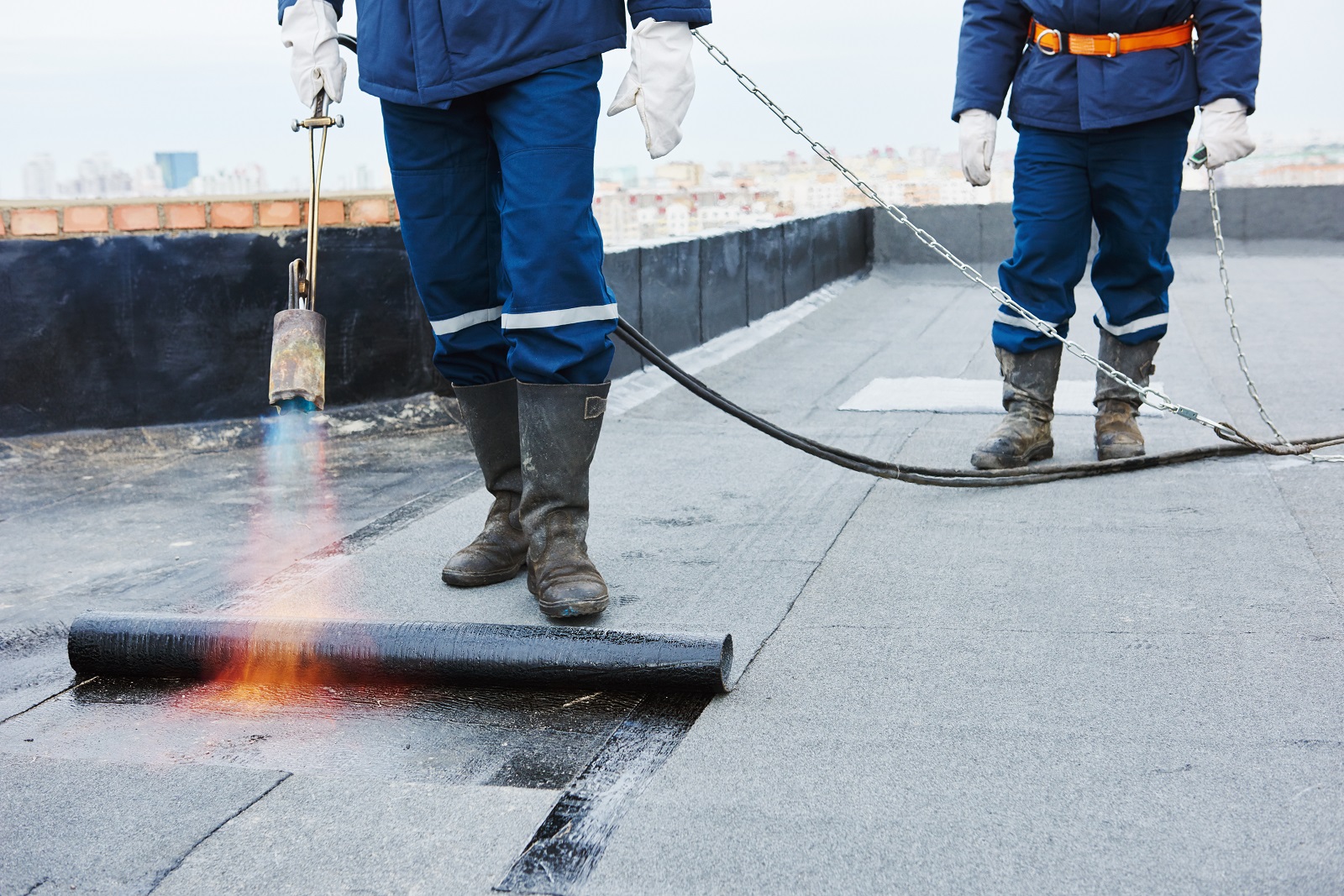
Commercial buildings in Phoenix, Tucson, and surrounding areas face intense sun, monsoon storms, and rapid temperature changes. These conditions accelerate damage once insulation becomes saturated. Wet insulation loses its insulating value, adds weight to the roof system, and increases the risk of structural deterioration. Business owners may not notice the problem until leaks appear or interior damage develops.
Understanding how professionals identify and repair saturated insulation pockets helps property managers protect both their building and daily operations.
Commercial roof systems typically include multiple layers. The top membrane shields the building from weather. Beneath that membrane sits insulation that helps regulate interior temperature. When water enters through punctures, seam failure, flashing separation, or drainage problems, it often collects in the insulation layer.
Common causes include:
Once moisture enters, insulation can absorb it like a sponge. Over time, the wet area spreads.
Wet insulation does more than reduce energy efficiency. It changes the physical condition of the roof system.
Saturated insulation can:
Even small pockets of moisture can compromise surrounding materials. Ignoring the issue allows damage to expand beyond the initial leak point.
Moisture rarely shows obvious signs from above. Surface membranes may appear intact while insulation below remains wet.
Professional crews use several methods to locate saturated areas:
These tools allow crews to map the exact location and size of wet insulation pockets. Accurate detection prevents unnecessary tear-out.
Saturated insulation does not always require complete roof replacement. In many cases, crews can perform targeted repairs.
The process often includes:
This focused approach restores performance without disrupting the entire roof field.
Wet insulation can trap moisture against the roof deck. Steel decks may corrode. Wood decks may soften. Concrete decks may experience surface deterioration.
Before replacing insulation, roofing professionals inspect the deck thoroughly. They remove rust, repair damaged sections, and ensure structural integrity. Deck protection forms a critical part of the repair process. A sound deck supports long-term roof stability.
Repairing wet insulation solves the immediate problem. Preventing recurrence requires identifying the source of water entry.
Crews investigate:
Correcting the entry point ensures that new insulation remains dry. Addressing root causes protects the repair investment.
Commercial roof repairs must account for building occupancy. Removing wet insulation involves opening sections of the roof surface. Proper coordination prevents interior disruption.
Professional crews plan repairs by:
In Phoenix and Tucson, sudden monsoon storms require careful timing. Crews secure all open areas before weather shifts. Clear communication with facility managers ensures smooth coordination.
Saturated insulation loses its thermal resistance. That loss increases interior cooling demands. In desert climates, poor insulation performance leads to higher strain on HVAC systems.
Replacing wet insulation restores thermal protection. Balanced insulation helps maintain stable interior temperatures and reduces stress on rooftop equipment. Repairing moisture pockets improves comfort and building efficiency.
Preventative maintenance reduces the risk of insulation saturation.
Property managers should schedule:
Early detection prevents water from penetrating deeply into insulation layers. Consistent maintenance protects commercial roof systems.
Property managers may notice indirect signs before a major failure occurs.
These indicators suggest moisture beneath the surface. Professional inspection confirms the extent of the issue.
Repairing saturated insulation requires precision. Removing too little insulation leaves moisture behind. Removing too much increases disruption.
Experienced roofing professionals combine detection tools with careful removal techniques. They restore insulation while maintaining membrane integrity. Expert repair protects the structure and supports business continuity.
How does insulation become saturated in commercial roofs?
Water enters through membrane damage, flashing gaps, or drainage issues and collects within the insulation layer.
Can wet insulation dry on its own?
No. Trapped moisture remains within the insulation and continues to cause damage.
Does saturated insulation add weight to the roof?
Yes. Wet insulation increases load and may stress structural components.
Can repairs target only the affected area?
Yes. Professionals often remove and replace only the saturated sections.
Should I schedule an inspection after recurring leaks?
Yes. Recurring leaks often indicate hidden moisture beneath the surface.
Protect your building from hidden moisture damage with expert commercial roof repairs from Lyons Roofing. Call (520) 442-1121 in Phoenix or Tucson.
