Setting the Standard in AZ Roofing Since 1993
Wind does not hit every part of a roof the same way. Homeowners often notice that one roof section keeps losing shingles, shifting tiles, or showing repeated edge damage while the rest of the roof looks stable. That pattern can feel confusing at first. Many people assume the entire roof should react the same way during strong wind events. In reality, wind pressure changes from one roof area to another, and some sections naturally take more force than others.
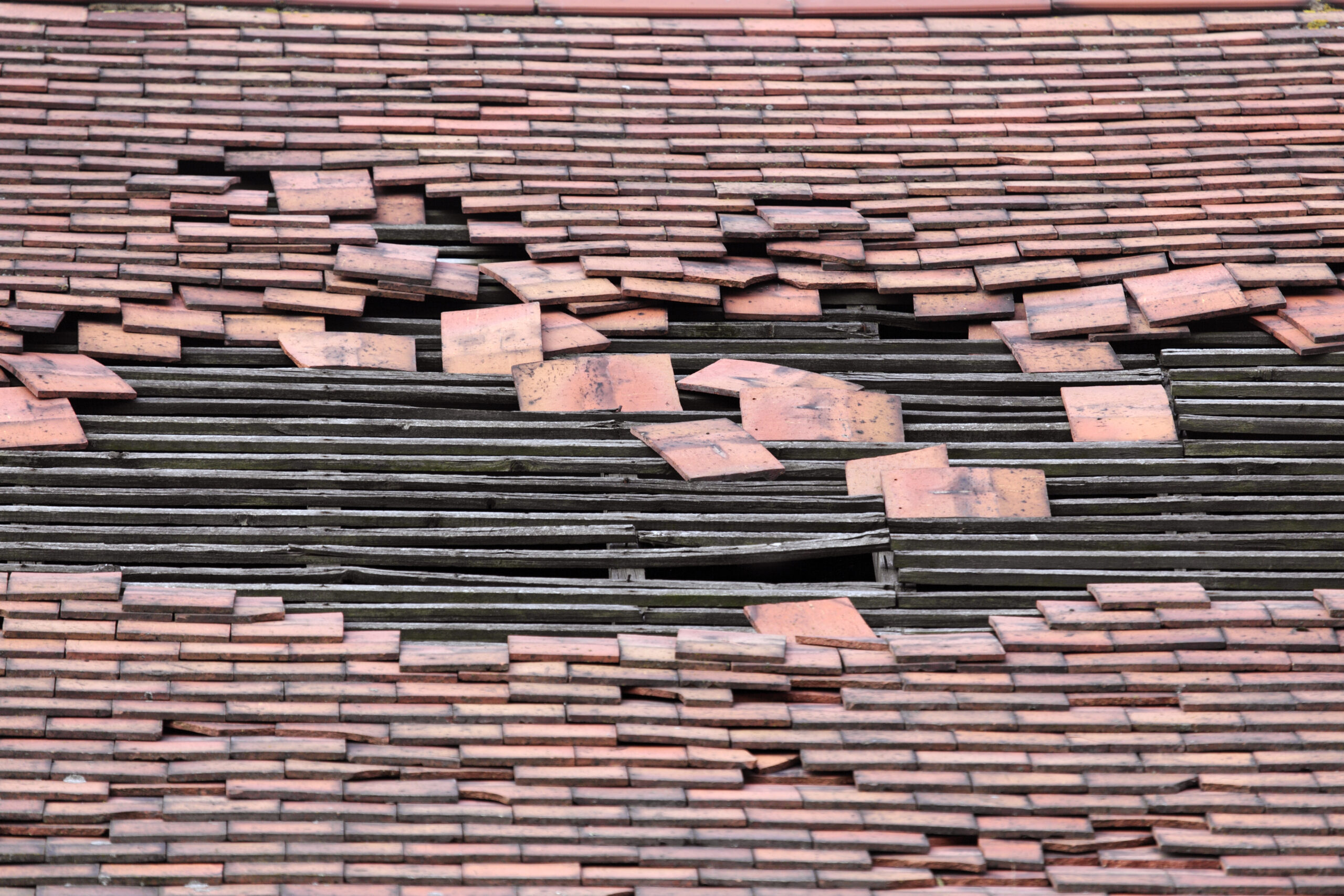
This matters a lot in Phoenix, Tucson, AZ and the surrounding areas, where strong seasonal winds and monsoon storms place repeated stress on residential pitched roofs. A roof may survive several storms, yet the same corner, ridge, valley edge, or perimeter section may keep showing signs of lift. That usually points to a combination of roof design, wind direction, fastening quality, material condition, and local exposure conditions.
Lyons Roofing helps homeowners understand that persistent wind lift is rarely random. Repeated damage in the same sections usually means those areas carry a higher level of pressure or have a weaker ability to resist it. This article explains why wind lift affects certain parts of pitched roofs more than others, what those patterns reveal, and how proper inspection and repair help reduce repeated storm damage.
A pitched roof may look like one complete surface, but wind does not treat it as one uniform plane. As air moves over and around a home, it speeds up, changes direction, and creates pressure differences. Those pressure shifts affect certain roof areas more strongly than others.
Wind lift happens when moving air creates an upward force strong enough to stress the connection between the roofing material and the structure below. That force does not stay constant across the whole roof. Roof edges, corners, ridges, and changes in roof shape often experience stronger uplift than open field areas.
This is one reason repeated wind damage tends to cluster in the same places. The roof section itself may not be “bad” in a general sense. It may simply sit where wind pressure becomes more aggressive every time a storm hits. Understanding that pattern helps explain why some sections age faster or fail sooner than the rest of the system.
Edges and corners often take the first and strongest hit during wind events. As air reaches the edge of the roof, it can speed up and curl. That movement creates stronger uplift pressure near the perimeter than in the center of the roof field. Corners become even more vulnerable because they receive pressure from more than one direction at once.
This is why a homeowner may keep seeing shingle lift or tile displacement near the same corner after storms. The issue may not come from one defective piece. That area may simply live in the highest-pressure zone of the roof.
Perimeter conditions matter too. Fascia integrity, drip edge attachment, starter course performance, and the fastening method near those edges all affect how well the system resists lift. A small weakness at the edge can become a repeated problem because the wind keeps targeting the same zone.
The ridge line sits at the highest point of a pitched roof, which makes it a frequent focus for wind pressure and directional change. As air moves up one slope and over the peak, it accelerates and shifts. That movement creates stress at ridge caps, upper fastening areas, and transitions near the roof crest.
Repeated ridge-related wind lift often shows up as:
These issues do not always mean the whole roof is failing. They often mean the ridge zone needs special attention because it experiences a different level of stress than the lower slopes. In hot and windy climates, repeated expansion and contraction can add even more strain to those same upper sections.
Simple roof shapes often handle wind more predictably than complex ones. Once a roof includes multiple intersecting slopes, dormers, valleys, wall transitions, or abrupt changes in height, airflow becomes more turbulent. Wind can hit one slope, bounce off a wall, funnel between sections, or create pressure pockets near design transitions.
That is why some pitched roof sections keep showing wind damage while nearby areas remain intact. The issue may come from the way wind interacts with the shape of the roof rather than the material alone.
Roof sections near:
often deserve closer review because airflow becomes less predictable there. These spots can experience repeated lift even when the open roof field performs well.
Homes do not receive wind from every direction in the same way. A roof may have one slope or corner that faces the most common storm direction, while another section remains more sheltered. Over time, the windward side of the roof may show repeated lift, surface wear, or edge stress because it absorbs the strongest storm exposure.
In Phoenix and Tucson, local storm patterns and property orientation can create repeated trouble on the same side of the home. A section that faces prevailing storm winds may endure much more pressure than a protected rear slope. Nearby structures, fences, walls, and landscaping can also redirect airflow and change how wind reaches the roof.
This is why storm damage often repeats in one section instead of appearing evenly across all slopes. The environment around the home shapes how wind approaches and where pressure concentrates.
Not all roofing materials resist wind in the same way. Shingles, tiles, shakes, and specialty products each respond differently to uplift. Their attachment methods also vary. A roof section with a slightly weaker fastening pattern or aging attachment points may show damage first, especially if it sits in a high-pressure area.
Persistent wind lift often points to a combination of two things:
This resistance problem may come from aging fasteners, brittle seal strips, broken tile clips, underdriven nails, or repairs that did not restore full attachment strength. Even if the rest of the roof remains secure, one vulnerable area can keep failing because it has less holding power where the wind force is highest.
Roofs do not age evenly. The same roof may show stronger wear at south-facing slopes, upper edges, ridges, or exposed corners, depending on heat and weather patterns. Over time, those sections may lose flexibility, sealant strength, or fastening reliability faster than more protected areas.
That uneven aging matters because wind lift often begins where wear has already reduced the system’s ability to hold tight. A section with dried sealant, brittle shingles, cracked ridge mortar, or loosened edge components can start lifting during storms, even though other sections of the same roof still resist well.
This helps explain why persistent wind lift often develops later in the roof’s life and seems concentrated in only a few places. The wind pressure may not have changed much, but the roof’s ability to resist it has changed in certain zones.
Valleys usually get attention for water drainage, but they can also affect how wind behaves across a pitched roof. A valley can channel airflow in a way that changes pressure at nearby shingles, tiles, or transition details. Where a valley meets a lower roof section or edge, wind patterns can become more complex.
That does not mean valleys are always direct wind lift points. It means nearby materials may experience more stress because of how air moves through those roof intersections. A homeowner who keeps seeing damage near one side of a valley or just below a roof transition may be dealing with a wind pattern that repeatedly targets that area.
Professionals often look at both drainage and airflow behavior when reviewing repeated lift around valleys and intersecting slopes.
A roof section may face stronger wind than the rest of the roof, but that does not automatically mean it will fail. High-stress areas can perform well when the installation matches the demands of the location. Problems usually show up when a high-pressure zone also has weaker details.
Common detail-related causes of repeat wind lift include:
This is why repeated wind lift should never be treated as a cosmetic nuisance alone. It often signals that the detail work in that section needs closer evaluation.
Homeowners sometimes fix a wind-lifted section only to see the same problem return in the next storm season. That usually happens because the repair addressed the visible damage but not the pressure pattern or the attachment method that failed.
A few replacement shingles or a reset tile may look good at first, but the same section may lift again if:
A stronger repair usually requires understanding why that location keeps taking damage. Without that system-level review, the same trouble spot often returns.
Wind damage does not always tell its full story from the ground. A professional inspection can reveal whether repeated lift reflects edge pressure, ridge stress, aging attachments, directional exposure, or design-related airflow issues. This matters because the right repair depends on the real cause of the pattern.
A thorough review often includes:
This kind of inspection helps homeowners move beyond “that section always blows loose” and into a clearer understanding of why it keeps happening.
A roof that shows repeated wind lift in the same area usually needs more than the replacement of the visibly damaged pieces. Long-term improvement often comes from reinforcing the section based on its actual exposure and stress level. That may involve stronger perimeter detailing, better fastening, replacement of weakened surrounding materials, or correction of nearby details that influence airflow and attachment performance.
The goal is not just to make the roof look repaired. The goal is to help that section perform better the next time wind pressure rises. That kind of improvement protects the surrounding roof too, because repeated lifting in one area can allow water entry and spread damage beyond the original trouble spot.
Homeowners in Phoenix, Tucson, AZ and the surrounding areas benefit from treating repeat wind lift as a pattern worth studying, not just a recurring annoyance.
Why does wind lift keep affecting the same part of my pitched roof?
The same section often gets hit because wind pressure is stronger there due to the roof shape, edges, corners, or storm direction.
Are roof corners more vulnerable to wind damage?
Yes. Corners usually face some of the strongest uplift pressure on a pitched roof during wind events.
Can ridge areas experience repeated wind lift, too?
Yes. Ridges often take repeated stress because air speeds up and changes direction at the highest part of the roof.
Does roof age affect which sections lift first?
Yes. Older or more weathered sections may lose attachment strength sooner and become more vulnerable in high-pressure zones.
Why do some wind repairs fail again after the next storm?
Repairs often fail again when they replace visible damage but do not correct the attachment weakness or pressure pattern affecting that section.
Call Lyons Roofing at (520) 442-1121 for expert pitched roof inspections and repairs in Phoenix, Tucson, AZ and surrounding areas.
