Setting the Standard in AZ Roofing Since 1993
A residential flat roof may look sturdy enough to handle regular foot traffic, especially when the surface seems solid and easy to walk across. That impression can be misleading. Flat roofs do not respond to repeated walking the same way a patio or deck does. They are built to protect the home from water, heat, and weather. They are not built to function as everyday walking surfaces unless the roof has been specifically designed for that purpose.
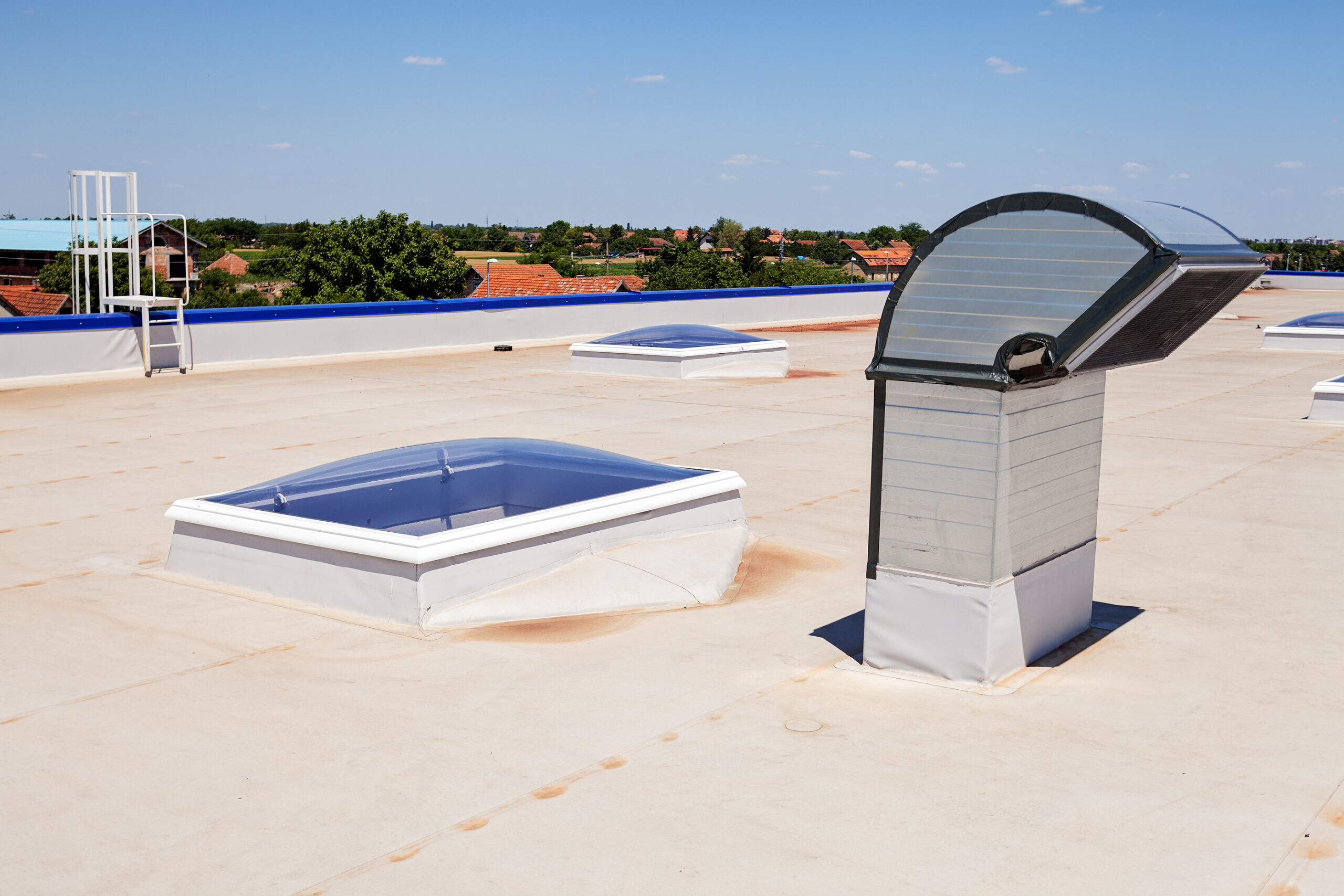
This matters in Phoenix, Tucson, AZ and the surrounding areas, where residential flat roofs already deal with intense sun, long heat cycles, dust, and sudden heavy rain. Add repeated foot traffic from maintenance visits, HVAC service, solar work, or homeowner access, and certain roof sections can begin aging much faster than the rest of the surface. The damage may start small. A path between the access point and the equipment may show slightly darker wear, minor surface compression, or more dust buildup than the surrounding roof. Over time, those subtle changes can affect drainage, surface integrity, and long-term roof performance.
Lyons Roofing helps homeowners understand that repeated foot traffic is not just a cosmetic issue on a flat roof. It changes how the roof behaves. It can alter water movement, weaken protective surfaces, and create localized stress that leads to leaks or premature repairs. This article explains how repeated foot traffic changes the performance of residential flat roof sections and why certain walking patterns matter more than homeowners often realize.
A residential flat roof manages water in a more controlled way than a pitched roof. It does not rely on a steep slope to move rain off quickly. Instead, it depends on a continuous protective surface, subtle slope, and clean drainage paths that guide water toward scuppers, drains, or edges.
That means surface condition matters a lot. Once repeated foot traffic begins wearing down certain sections, the roof may not move water as efficiently as it once did. A slight depression or worn path may seem minor, but on a flat roof, even small changes can influence how water behaves after a storm. Water may slow down, collect in a shallow area, or stay longer near a stressed seam or transition.
This is why traffic-related wear can affect more than just appearance. A flat roof needs consistency across the surface to perform well. Repeated walking changes that consistency, especially when people keep following the same route to equipment or service points.
One of the clearest signs of repeated foot traffic on a residential flat roof is the development of wear paths. These paths usually appear between the access point and a destination such as an HVAC unit, a vent area, or another service zone. People rarely walk randomly across a roof. They tend to follow the same practical route again and again. That repeated route slowly becomes a stressed section of the roof.
At first, the change may be hard to spot. The surface might show slightly more dirt, a faint track, or some mild flattening. Over time, the roofing material may lose some of its protective qualities in that narrow band. The path can become more vulnerable than the surrounding roof because it receives repeated pressure in the same place.
This is one reason traffic-related roof problems often look localized. The whole roof may not be wearing out evenly. One repeated walking path may be doing far more work than the rest of the surface.
Repeated foot traffic can compress some flat roof materials or gradually alter how they sit over the substrate below. This does not always create dramatic visible damage right away. It may show up as slight flattening, small depressions, or changes in how the surface reacts after rain.
Compression matters because it can influence drainage. A flat roof already works with a subtle slope. A small change in surface height can redirect water or slow down the intended flow path. Water may begin to gather where the walking traffic has weakened the roof surface or altered the support below it. That does not mean every stepped-on roof section will pond immediately. It means repeated pressure can slowly change the way that section performs compared to the untouched surrounding areas.
This is especially important near drains, scuppers, or other low-flow areas. A slight surface change near a drainage point can affect the whole roof section around it.
Flat roofs often depend on a coating or membrane surface to resist water, heat, and weather. Repeated foot traffic can wear that surface down faster than normal exposure alone. Shoes grind dust, grit, and rooftop debris into the material. The movement may scuff coatings, stress seams, or gradually reduce the strength of the protective layer.
In a place like Arizona, that wear becomes even more significant because the roof surface already deals with heavy UV exposure. Once traffic begins thinning or stressing the surface, the damaged area may respond worse to the sun and heat than the rest of the roof. This can create a cycle where one narrow path keeps deteriorating faster because it now faces both mechanical wear and stronger environmental stress.
Adjacent sections may still perform well, which makes the difference stand out even more during inspection. The problem becomes not just what people walked on, but how that walking changed the roof’s ability to resist the climate.
Not all roof traffic affects the surface equally. Areas near rooftop equipment often show the worst performance changes because they receive the highest concentration of repeated activity. HVAC units, vent systems, and service zones tend to attract technicians, tools, kneeling pressure, and stop-and-start foot movement. That repeated concentration causes more wear than a few quick steps across an open section.
A technician may stand in the same place multiple times while servicing equipment. Tools may rest on the surface. Sharp turns and pivoting motions may grind more debris into the roof. All of this creates more stress than simple straight-line walking.
This is why the section right around a rooftop unit often ages differently from the walking path leading to it. The path shows repeated use, but the work zone shows concentrated use. A residential flat roof inspection should treat both areas as high-priority traffic zones.
Flat roofs in Phoenix and Tucson absorb a lot of heat. During hot weather, the roofing surface may become softer, more vulnerable to scuffing, or more sensitive to repeated pressure, depending on the roofing system. Walking on the roof during hotter parts of the day can increase traffic-related wear because the surface may not resist pressure the same way it would under cooler conditions.
This does not mean every step causes major damage. It means repeated traffic during high-heat conditions can accelerate surface wear more than homeowners realize. A narrow traffic path that already sees regular use may deteriorate faster if the roof is often walked on during hot afternoons or after long sun exposure.
The combination of heat and pressure matters because the roof is not dealing with those forces separately. The surface is experiencing both at once. This is one reason some traffic paths show a faster change in Arizona than a homeowner might expect.
A residential flat roof often has seams, flashing transitions, penetrations, and terminations that already deserve close attention. Repeated foot traffic near those details increases the risk that those sections will begin failing sooner than the rest of the roof. Pressure near seams can stress the connection between materials. Foot traffic near a penetration can weaken the surrounding surface and make that detail more vulnerable during storms.
The danger here is that water does not need a large opening. A traffic-stressed seam or detail may start as a very small weakness. Water can then work into that weak point during heavy rain, especially if nearby wear has already slowed drainage or changed surface flow.
This is why traffic-related damage often shows up near more sensitive roof features. The walking itself may not create the entire problem, but it can speed up deterioration in areas that were already more dependent on strong detailing and surface continuity.
Homeowners often think of foot traffic damage as a surface issue only. In reality, repeated traffic can change how the roof drains. Once a walking path becomes compressed, worn, or slightly depressed, water may begin treating that route differently after storms. It may collect along the traffic line, slow near the work zone, or shift toward details that were not supposed to handle extra runoff.
This change may be subtle at first. Water may disappear eventually, but it may take longer to do so in the stressed section than it once did. That longer dwell time places more stress on the material. In a climate with sudden heavy storms, even temporary changes in water behavior can matter.
This is another reason flat roof traffic deserves attention. The problem is not just that people walk on the roof. The problem is that repeated traffic can change the roof’s water-control performance in ways that create wider wear later.
Traffic-related flat roof damage often develops slowly. The roof rarely shows one dramatic event unless someone drops a tool, punctures the surface, or causes immediate, obvious harm. Most of the time, the damage grows through repetition. That makes it easy to overlook in the early stages.
A homeowner may not go onto the roof often enough to compare conditions from one month to the next. A technician may focus only on the equipment and not notice that the same path keeps growing more worn. The damage may stay limited to a narrow section for a long time, which makes the rest of the roof look fine by comparison.
By the time water begins entering the home or a repair becomes necessary, the traffic path may already have been weakening the roof for months or years. This is why inspection matters. Small localized wear patterns often tell the story long before the interior of the home does.
Not every flat roof section faces the same level of traffic stress. Some areas may rarely be stepped on. Others may serve as regular routes for service visits. This uneven use is why homeowners often see one section of the roof aging faster than another. The roof is not failing evenly. It is responding to repeated activity in predictable locations.
Sections that often need extra attention include:
These sections may need extra review during inspections because they often carry more wear than the rest of the roof. The traffic load changes the way those sections perform, and that makes them higher-risk areas over time.
A residential flat roof benefits greatly from maintenance and inspection that pays attention to foot traffic patterns. A good inspection should not only ask whether the roof has visible storm damage or drainage issues. It should also ask where people walk, where they stand, and where repeated traffic may be changing the surface.
An experienced roofer may look for:
This kind of review helps homeowners catch trouble before it leads to leaks. It also helps them understand which roof sections may need protection, route changes, or closer monitoring after future service work.
Repeated foot traffic may seem like a small issue compared to storm damage or active leaks, but it often plays a major role in how a flat roof ages. Professional roofers take traffic patterns seriously because they know localized wear can change drainage, weaken surface protection, and shorten the dependable life of selected roof sections.
Lyons Roofing helps homeowners understand where this stress develops and what it means for long-term roof performance. A roof does not need widespread damage to need attention. A few high-traffic sections may tell the most important story on the whole roof. Once those areas start showing wear, the next step is not to ignore them because the rest of the roof still looks fine. The next step is to understand how those paths are changing the system and what should happen before a manageable issue becomes a larger repair.
Can walking on a residential flat roof really cause damage?
Yes. Repeated foot traffic can wear down the surface, stress seams, and change drainage in specific roof sections over time.
Why do flat roof traffic paths wear faster than the rest of the roof?
Traffic paths receive repeated pressure in the same narrow areas, which causes more surface wear and compression than untouched sections.
Are areas around rooftop equipment more vulnerable to traffic damage?
Yes. Service zones near equipment often show faster wear because people stand, turn, and work in those areas repeatedly.
Does heat make foot traffic more damaging on flat roofs?
Yes. High temperatures can make some roof surfaces more vulnerable to pressure and scuffing during repeated foot traffic.
How can homeowners catch traffic-related roof wear early?
Regular roof inspections can identify wear paths, surface changes, and traffic-stressed areas before they lead to leaks or bigger repairs.
Call Lyons Roofing at (520) 442-1121 for expert flat roof inspections and repairs in Phoenix, Tucson, AZ and surrounding areas.
