Setting the Standard in AZ Roofing Since 1993
Pitched roofs do more than shed water. They also support airflow that helps regulate attic temperature, moisture, and overall roof health. Many homeowners focus on shingles, tiles, or leaks during repairs and overlook how those repairs affect ventilation paths. In Phoenix, Tucson, and surrounding areas, that oversight can shorten roof life and raise cooling costs fast. Extreme heat pushes ventilation systems harder than in milder climates, so every repair decision matters.
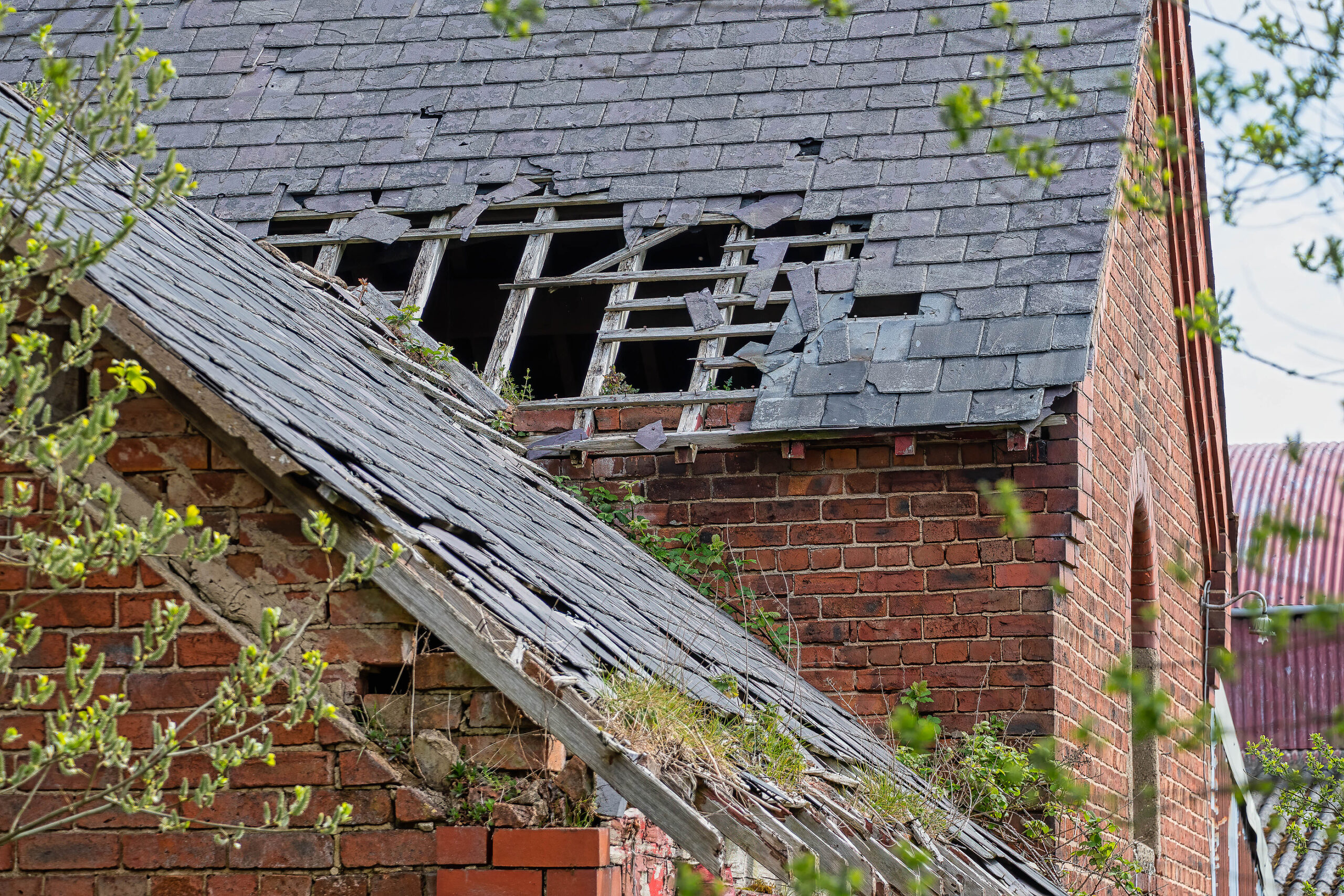
Pitched roof repairs interact with ventilation in ways that stay hidden unless someone knows where to look. A small repair in the wrong spot can block airflow, trap heat, or create pressure imbalances that lead to new problems months later. Understanding this connection helps homeowners protect both the roof surface and the structure beneath it.
Ventilation allows hot air to escape and cooler air to enter. On a pitched roof, that airflow usually moves from intake vents near the eaves to exhaust vents near the ridge or higher roof sections. This steady movement prevents heat buildup, limits moisture accumulation, and reduces stress on roofing materials.
Arizona attics heat up quickly. Without proper airflow, temperatures climb high enough to damage underlayment, dry out wood components, and push cooling systems to work harder. Ventilation supports roof durability just as much as quality materials and proper installation.
Roof repairs often involve replacing tiles, shingles, flashing, or underlayment. Each of those elements sits close to ventilation components. A repair that shifts materials slightly can restrict airflow paths.
Common ways repairs affect ventilation include covering intake vents with new materials, sealing gaps that once allowed air movement, or misaligning ridge vent components. These changes rarely cause immediate issues. Heat buildup develops slowly, which makes the connection harder to spot.
Intake vents sit along the lower edges of pitched roofs. They allow cooler outside air to enter the attic. Repairs near eaves carry a higher risk of blocking these vents.
Tile or shingle replacement sometimes involves added underlayment layers or tighter flashing. Without careful spacing, airflow narrows or stops. Even partial blockage reduces ventilation efficiency across the entire attic.
Repair crews need to maintain clear vent channels and avoid compressing insulation into intake areas. That balance keeps air moving as designed.
Ridge vents release hot air at the highest point of the roof. Repairs near ridges require precise alignment. Shingle repairs, ridge cap replacement, or flashing updates can interfere with vent openings.
A ridge vent that becomes partially sealed traps heat. Pressure builds in the attic and forces air to escape through unintended gaps. That pressure can lift shingles, stress seals, and draw moisture into the roof system.
Proper repairs preserve the vent opening while restoring weather protection. That combination keeps airflow steady and predictable.
Underlayment acts as a moisture barrier, but it also affects airflow. Repairs that overlap underlayment incorrectly can block vent channels or create air dams.
Heat-driven air movement relies on clear pathways. Underlayment installed too tightly against decking edges or vent openings restricts that flow. Over time, heat buildup accelerates material aging and raises the risk of leaks.
Experienced roofers install underlayment with ventilation in mind, especially in climates where heat dominates roof performance.
Flashing seals roof intersections around chimneys, walls, and valleys. These areas also influence attic air pressure. Repairs that seal flashing too aggressively may disrupt airflow patterns.
Air seeks balance. When ventilation paths narrow, pressure increases inside the attic. That pressure forces air and moisture into weak points elsewhere. Flashing repairs need to protect against water while allowing the ventilation system to function as intended. Balanced airflow keeps pressure stable and reduces stress on roof components.
Partial repairs affect ventilation more than full replacements in some cases. Mixing old and new materials changes how air moves under the roof surface.
A repaired section may seal tighter than the surrounding areas. That difference alters airflow direction and speed. Over time, uneven ventilation creates hot spots that break down materials faster in certain areas.
Evaluating ventilation after repairs helps prevent these imbalances from developing into larger problems.
Ventilation issues do not always show up right away. Homeowners may notice secondary symptoms weeks or months later.
Warning signs include higher attic temperatures, increased cooling costs, uneven indoor temperatures, premature shingle aging, or new moisture marks near vents. These clues often trace back to changes made during roof repairs. Addressing ventilation early prevents repeat repairs and hidden damage.
Experienced roofers treat ventilation as part of the repair, not a separate system. They inspect intake and exhaust points before work begins and confirm airflow after repairs finish.
Professional repair planning includes checking vent spacing, maintaining air channels, and adjusting materials to preserve airflow. That approach supports long roof life and stable indoor comfort.
Lyons Roofing approaches pitched roof repairs with a system mindset. Each repair supports water protection, heat control, and airflow together.
Heat defines roof performance in Arizona. Repairs that ignore ventilation amplify that heat. Proper airflow reduces surface temperatures, protects underlayment, and lowers attic stress.
Pitched roof repairs that respect ventilation paths help roofs last longer and perform better during extreme weather. That attention saves homeowners from avoidable issues and repeated service calls.
Can roof repairs block attic ventilation?
Yes. Repairs near vents, eaves, or ridges can restrict airflow if not handled carefully.
Do small repairs really affect ventilation?
Even minor changes can alter airflow paths and pressure balance inside the attic.
How do I know if ventilation changed after a repair?
Higher attic heat, rising energy use, or uneven indoor temperatures often signal airflow issues.
Should ventilation be checked after pitched roof repairs?
Yes. Confirming airflow after repairs helps prevent heat buildup and material damage.
Why is ventilation more important in Arizona homes?
Extreme heat places more stress on roofs, making proper airflow essential for durability.
Pitched roof repairs work best when ventilation stays protected. Call Lyons Roofing at (520) 442-1121 for expert roof repairs across Phoenix, Tucson, and surrounding areas.
