Setting the Standard in AZ Roofing Since 1993
Tile roofing has a long history in Arizona. The durability, insulation value, and curb appeal make it one of the most popular choices across Phoenix, Tucson, and surrounding areas. But tile roofs also hide certain early warning signs that homeowners rarely see from the ground. One of the most common early signs of trouble is tile lift caused by minor structural movement beneath the roofing system.
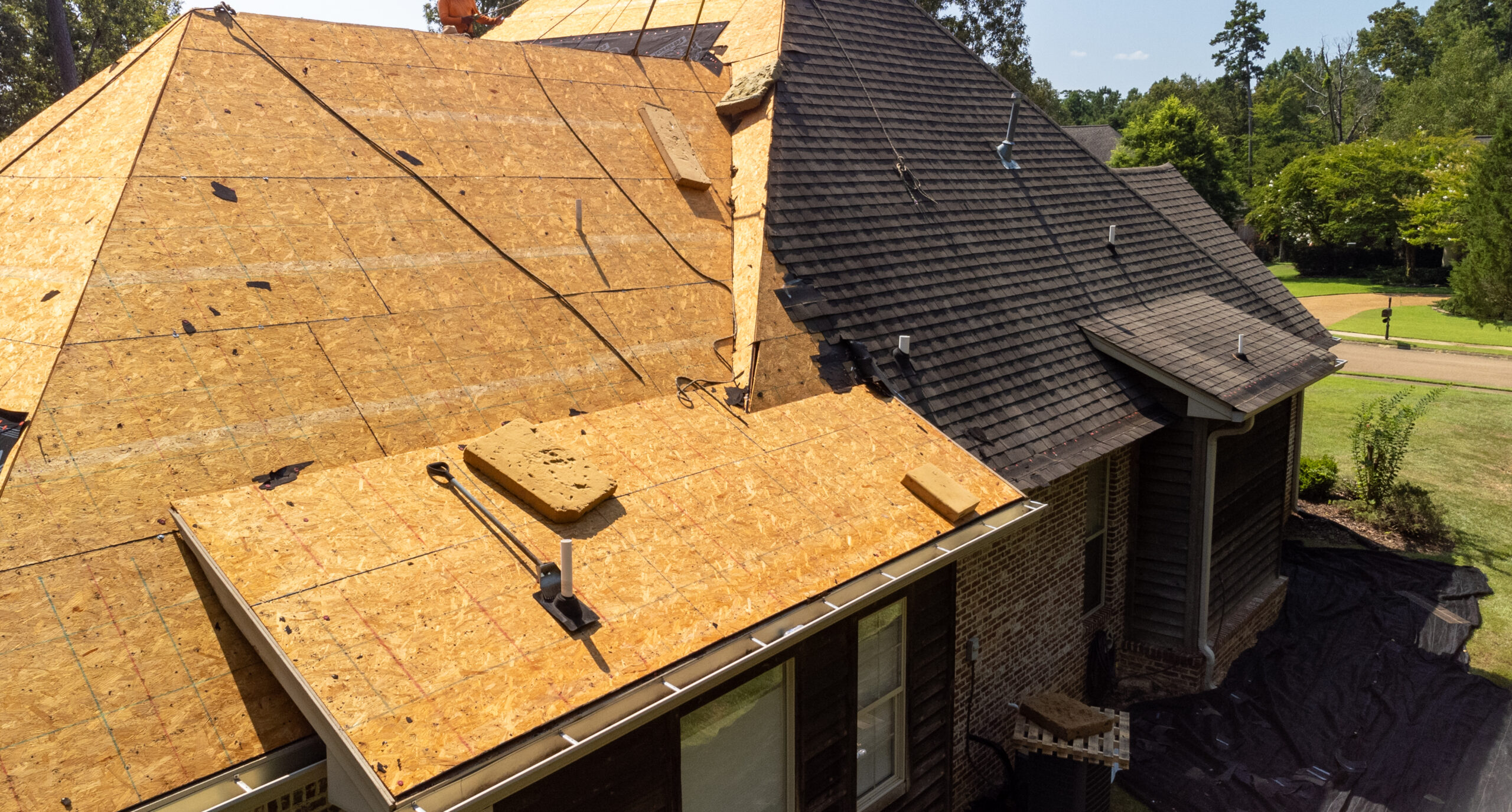
Structural movement doesn’t always mean major damage. Homes shift naturally over time because of soil changes, temperature swings, and settling. In Arizona, these changes happen more often due to extreme heat cycles, monsoon moisture, and dry, compacted soils. These shifts cause slight movements in the roof deck. Even a small change can push, tilt, or lift individual roof tiles out of place.
This tile lift is usually subtle. It often goes unnoticed until a storm pushes water under the raised areas or a section fails under pressure. Most homeowners first spot the issue only after a leak appears inside the home. That delay allows moisture to reach the underlayment, the decking, or even the attic insulation. One of the most effective ways to catch tile lift early is through drone inspections. Drones offer a clear look at angles that cannot be seen from the ground and allow roofers to inspect tile patterns with precision that ladders cannot provide.
Drone inspections make it easier to detect slight tile shifts that signal the early stages of structural movement. These early signs help homeowners fix issues before they turn into costly roof repairs.
Arizona’s soil and climate create conditions that affect how homes settle and shift over the years. Even newer homes experience movement as the foundation adjusts to moisture changes below the structure.
Some common causes of structural movement include:
Each shift might be small, but tile roofing is rigid. Tile does not flex or bend easily. When the structure moves, the tile feels that pressure. Tiles begin to sit unevenly, lift at an edge, or pull slightly upward.
These movements may go unnoticed from ground level because they often appear as tiny changes in shadow lines. But drones can spot changes in the uniform pattern of the tiles immediately.
Drone cameras offer a clear, top-down perspective with close-range detail. This angle allows roofers to track patterns across the roof’s surface and pick up even the smallest rise in a tile’s position.
Key benefits of drone perspectives include:
A lifted tile changes the way sunlight hits the roof. The small shadow along the raised section becomes visible in drone footage, while it may be invisible from the ground.
Tile roofs are installed in straight, evenly spaced rows. A drone can quickly catch breaks or bends in these lines.
Steep slopes, valleys, or upper stories make traditional inspections difficult. Drones get close without disturbing the tiles.
Walking on a tile roof can crack tiles. Drones remove the risk of damage during inspection.
Drone data also allows roofing experts to compare previous footage with current footage to detect movement over time. This historical comparison helps track the rate of tile lift and identify areas of concern.
Tile lift might seem small at first, but it creates a direct path for water. A lifted edge exposes the underlayment, and once water reaches that layer, the system starts to wear out fast.
Problems caused by tile lift include:
Even a small raised tile can direct water into places it should never go. Because tile roofs rely heavily on the underlayment for waterproofing, early detection is crucial.
Arizona homes experience a roofing environment that is different from most states. The state’s intense heat, dry periods, and sudden storms take a toll on tile materials and the structure beneath them.
Some reasons tile lift appears often in Arizona include:
Tiles expand significantly during summer days and contract at night. These cycles create stress points that can cause slight movement.
Soil moisture changes impact the foundation. Even small shifts ripple through the roof framing.
High winds push water into small openings created by lifted tiles.
Once the underlayment dries out or cracks, tiles lose stability and begin lifting more easily.
Dust buildup under tiles can push them up slightly over time.
These conditions combine to create tile lift much earlier than homeowners expect.
A drone inspection not only spots tile lift but also helps determine whether the cause is structural, weather-related, or caused by aging materials. This level of detail helps roofers create a repair plan that addresses the root issue, not just the symptoms.
Drones help identify:
This information gives roofers the ability to recommend repair solutions that match the actual problem, such as underlayment replacement, tile re-seating, re-alignment, or structure reinforcement.
The repair depends on how early the lift is detected. Catching the issue early helps avoid major projects.
Common repair approaches include:
Roofers adjust the tile’s position to match the existing pattern and secure it properly.
If the underlayment shows damage, it may need to be patched or replaced in the area affected.
Soft or warped decking may require reinforcement or replacement.
If structural movement is ongoing, roofers may recommend a framing assessment to stabilize the area.
Excess heat in the attic can increase tile movement. Improving ventilation may help reduce expansion.
Detecting tile lift early with a drone helps avoid major repairs like full tear-offs.
Drones have become a powerful tool for roofing inspections because they make it easy to spot problems long before a homeowner realizes something changed. Arizona roofs face harsh weather conditions, so homeowners benefit greatly from early detection.
Drone inspections provide:
Drone angles catch issues at the earliest stage, which protects homes and helps homeowners avoid expensive surprises.
How do drones spot tile lift better than a traditional roof inspection?
Drones capture roof angles and shadows that reveal subtle lifting patterns that can’t be seen from the ground or during a quick ladder inspection.
Does tile lift always mean there is structural damage?
Tile lift often comes from minor settling or heat expansion. It doesn’t always mean major structural problems but does need attention.
Can tile lift cause leaks during monsoon storms?
Yes. A lifted tile lets water reach the underlayment, which leads to faster wear and increases the chance of leaks.
How often should tile roofs be inspected with drones in Arizona?
Inspections twice a year help catch early signs of movement, especially after monsoon season and during peak summer heat.
Do drone inspections damage the roof?
No. Drone inspections keep roofers off the tiles, which prevents foot-traffic damage during evaluation.
Keep your tile roof safe with professional drone inspections by Lyons Roofing. Call (520) 442-1121 today for trusted Arizona roofing care.
