Setting the Standard in AZ Roofing Since 1993
Many homeowners and building owners assume that an aging roof automatically means a full replacement. In reality, professional roofing crews often extend the life of older roof systems through careful stabilization work. These methods strengthen weak areas, correct underlying issues, and restore performance without tearing everything off.
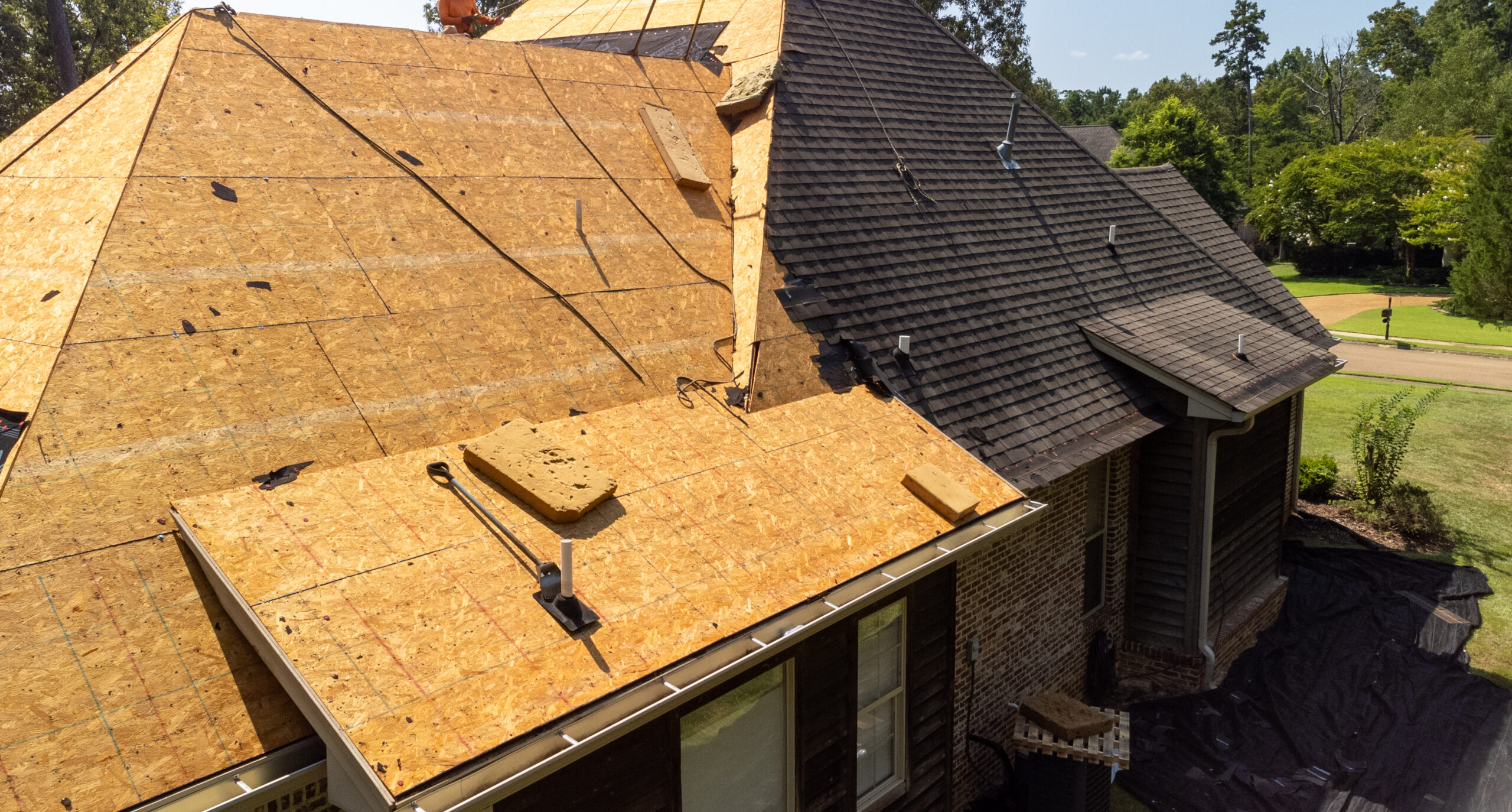
In Phoenix, Tucson, and surrounding areas, roofs face intense sun, temperature swings, dust storms, and seasonal rain. These conditions cause materials to age faster than in milder climates. Still, many roofs reach a point where they need smart reinforcement rather than complete replacement.
This article explains how experienced crews stabilize aging roof systems, what techniques they use, and how these strategies help property owners protect their investments.
Roof stabilization focuses on improving structural and weather resistance without removing the entire system. Crews aim to:
Stabilization does not hide problems. It addresses root causes while preserving serviceable materials. This approach works best when inspectors confirm that decking, framing, and major components remain structurally sound.
Stabilization serves as a bridge between basic maintenance and full replacement. It allows owners to plan ahead instead of reacting to emergencies.
Every stabilization project begins with a detailed inspection. Crews evaluate whether the roof can safely support repairs.
Inspectors examine:
A stable structure provides the foundation for any reinforcement work.
Moisture remains one of the biggest threats to aging roofs. Crews test for:
Dry systems respond much better to stabilization.
Surface materials reveal how much life remains. Inspectors check:
These signs guide repair planning.
Many older roofs develop soft or weakened sections. Crews reinforce these areas before surface work begins.
Small sections of damaged decking receive targeted repairs. Crews remove weak panels and install new plywood or OSB where needed.
This process prevents future sagging and improves fastener holding power.
In some cases, crews add:
These upgrades restore load balance and reduce movement.
Loose nails and screws weaken stability. Crews replace them with modern fasteners that grip better and resist corrosion.
Water control remains central to roof stabilization. Crews focus heavily on sealing and drainage.
On flat and low-slope roofs, seams often fail first. Technicians:
Proper sealing prevents slow leaks.
Flashings protect roof edges, penetrations, and walls. Crews restore these areas by:
This work blocks many common leak paths.
Standing water accelerates aging. Crews improve drainage by:
Better water flow protects materials.
Surface treatments play a major role in stabilization.
Coatings form protective barriers over aging materials. Crews apply elastomeric, acrylic, silicone, or polyurethane coatings depending on roof type.
Benefits include:
Proper preparation ensures strong adhesion.
For foam roofs, technicians repair damaged areas and respray protective layers. Fresh coatings shield foam from sunlight and moisture.
On pitched roofs, crews reset displaced materials. They replace broken pieces, realign courses, and secure loose sections. This restores wind and water resistance.
Heat buildup shortens roof life. Stabilization often includes airflow improvements.
Crews inspect intake and exhaust vents, then:
Better ventilation reduces moisture and temperature stress.
Reflective coatings and materials lower surface temperatures. Cooler roofs age more slowly.
Compressed or wet insulation reduces performance. Crews replace damaged sections to restore energy efficiency.
Roofs expand and contract daily. Aging systems sometimes lose flexibility.
Stabilization focuses heavily on prevention.
Roof edges face strong wind forces. Crews secure:
Stronger edges reduce storm damage.
Vents, skylights, and equipment openings receive extra sealing and reinforcement.
Walk pads and access paths reduce surface wear in high-traffic areas.
Stabilization works best when paired with routine care.
Crews recommend:
Regular care preserves repair investments and delays replacement.
Stabilization offers several practical advantages:
Property owners gain time to plan major upgrades on their schedule.
Not every roof qualifies for stabilization. Crews may recommend replacement when they find:
Honest evaluations protect owners from false savings.
How long can stabilization extend a roof’s life?
Proper stabilization often adds five to ten years, depending on materials and maintenance.
Does stabilization stop all leaks?
It stops active leaks and reduces future risk when crews address root causes.
Can stabilization support future replacement plans?
Yes. Stabilized roofs provide safer, more predictable conditions for future upgrades.
Is stabilization suitable for both residential and commercial roofs?
Yes. Crews use similar principles with adjustments for size and system type.
How often should stabilized roofs be inspected?
Most professionals recommend annual inspections and post-storm reviews.
Protect your aging roof with professional stabilization from Lyons Roofing. Call (520) 442-1121 today for expert service in Phoenix and Tucson.
