
- Home
- Services
Residential Services
Commercial Services
Additional Services
- Areas We Serve
- Financing
- Resources
- About us
- Contact Us
Setting the Standard in AZ Roofing Since 1993
Roof flashing plays a quiet but critical role in keeping water out of a building. It seals the joints where roofs meet walls, chimneys, skylights, vents, and other structures. Most homeowners never think about flashing until leaks appear. By that time, damage often spreads beyond the visible area.
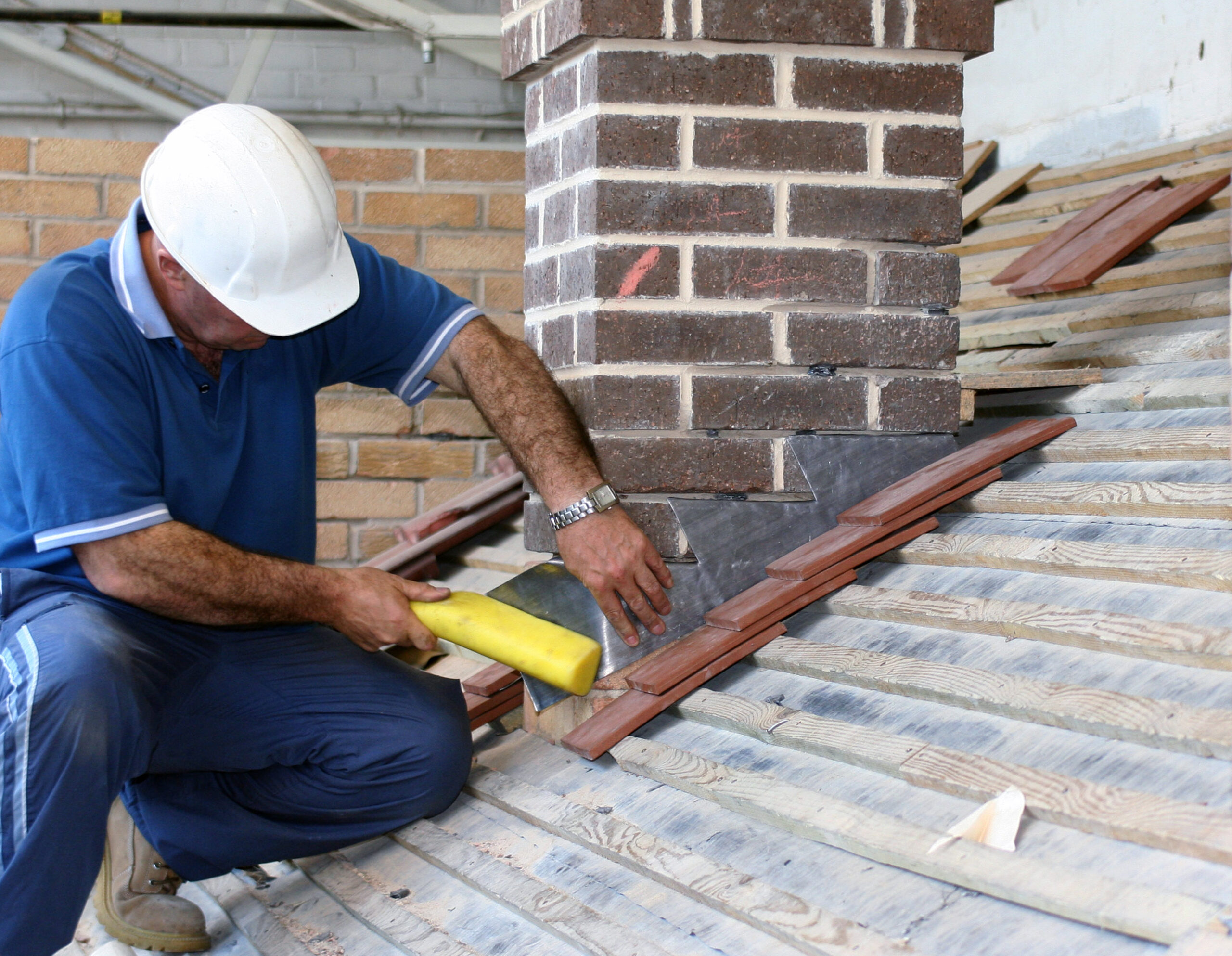
One of the most common hidden problems involves flashing pullback. This happens when flashing slowly separates from the surfaces it should protect. Wind, heat, building movement, and aging materials all contribute to this process. In many cases, flashing pulls away beneath roofing materials, making the issue hard to spot from the ground.
In Phoenix, Tucson, and surrounding areas, extreme heat, monsoon storms, and sudden temperature shifts speed up flashing movement. Property owners who understand surface clues can spot trouble early and avoid costly interior repairs. This guide explains how professionals detect hidden flashing pullback using visible warning signs.
Flashing stays in place through fasteners, sealants, and mechanical pressure. Over time, these supports weaken. Arizona’s intense sunlight causes metal to expand and contract daily. This movement loosens fasteners and stresses sealant lines. During monsoon season, strong winds lift roofing edges and shift flashing sections. Dust buildup also interferes with proper adhesion.
Buildings also move naturally. Foundations settle. Framing expands. Roof decks flex. Each movement adds strain to flashing connections. As these forces repeat year after year, flashing slowly separates from walls, pipes, and seams. The gap may remain hidden for months while moisture slips inside.
Flashing directs water away from joints that roofing materials cannot seal alone.
Key flashing locations include:
Without tight flashing contact, water follows gravity and surface tension into these weak points. Even small gaps allow steady moisture entry. Proper flashing creates layered protection. When pullback occurs, that layered defense fails.
Flashing rarely fails without warning. Subtle changes on the roof surface reveal underlying separation.
Each sign deserves close inspection.
Surface clues often appear alongside indoor symptoms.
Interior clues help confirm exterior findings.
Professional roofers follow a systematic process.
This approach ensures accurate diagnosis.
Certain areas experience higher stress.
Routine inspection of these areas prevents surprises.
Regional conditions play a major role.
These factors shorten flashing service life.
Surface patching rarely solves underlying movement.
Caulk alone cannot compensate for metal separation. Without proper reattachment, sealant splits again. Roof cement becomes brittle under heat. Tape solutions degrade quickly.
Long-term fixes require:
Professional repairs address root causes.
Scheduled inspections catch early clues.
Preventive care saves money and stress.
Unchecked separation leads to escalating problems.
Minor gaps grow into major repairs. Early detection protects property value.
Trained inspectors recognize subtle patterns that homeowners often miss. Experience helps distinguish harmless aging from active separation. Proper tools confirm moisture paths.
Expert evaluations provide:
Professional guidance prevents repeated leaks.
How often should flashing be inspected?
Annual inspections and post-storm checks help detect early movement.
Can flashing pullback cause leaks without visible damage?
Yes. Water can enter behind materials long before stains appear.
Does heat cause flashing to loosen?
High temperatures cause metal expansion and sealant breakdown over time.
Can homeowners fix flashing pullback themselves?
Small sealant issues may receive temporary fixes, but structural separation requires professional repair.
Does flashing replacement require roof removal?
In many cases, technicians can access and repair flashing without full roof replacement.
Protect your home from hidden leaks with expert flashing inspections from Lyons Roofing. Call [phone] today for service in Phoenix and Tucson.