
- Home
- Services
Residential Services
Commercial Services
Additional Services
- Areas We Serve
- Financing
- Resources
- About us
- Contact Us
Setting the Standard in AZ Roofing Since 1993
Flat roofs handle weather conditions differently than pitched roofs, and that difference creates unique risks that homeowners and building owners often overlook. One of the biggest risks is hidden moisture trapped inside the roof substrate. You can have a flat roof that looks fine from the surface, but the wood or insulation underneath may already be saturated. Once moisture settles below the surface, it quietly weakens the structure, harms insulation, and shortens the life of any new roofing system installed on top of it.
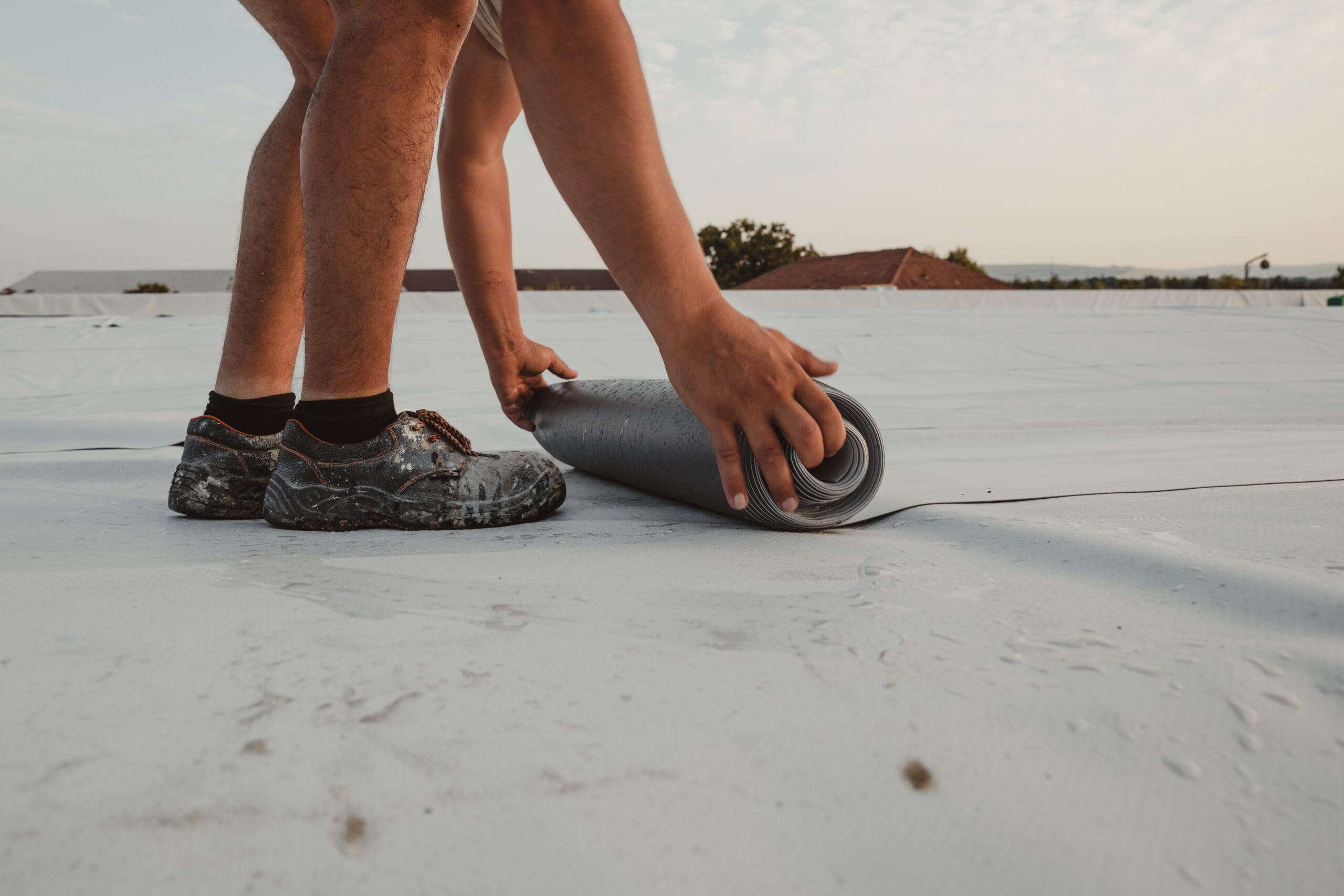
Many property owners assume that a roof replacement automatically solves existing problems. The truth is that installing a new system over a wet substrate only delays the real issue and increases long-term repair needs. Substrate moisture testing helps roofers confirm that the roof is dry, stable, and ready for new materials. It gives homeowners in Phoenix, Tucson, and nearby areas better protection because it catches hidden moisture before it causes long-lasting damage.
Moisture testing also gives roofers a clear picture of the actual condition of the roof deck, which allows them to tailor the replacement design. Arizona’s monsoon storms, dust, and long periods of sun exposure make flat roofs highly vulnerable to water intrusion around drains, seams, and mechanical equipment. Substrate moisture testing sets the foundation for stronger roofing installations by eliminating those unknowns early in the process.
Flat roofs don’t shed water quickly. Even slight dips or low spots can trap water long after a storm. This ponding increases the chance of moisture seeping beneath the top layer. Once water enters the substrate, it doesn’t dry quickly because there is little airflow inside the roof system.
Common ways moisture gets trapped include:
Arizona roofs face long summers with intense heat cycles. Materials expand during the day and shrink at night, which causes minor separations that eventually allow water to pass through. The roof may stay dry on top, while the substrate slowly absorbs moisture like a sponge.
This trapped water becomes a long-term problem because it weakens the deck, reduces insulation performance, and can spread unnoticed across the roof.
Replacing a flat roof without testing is like painting over drywall that is soaked behind the surface. The fresh layer might look good, but the damage continues to spread underneath.
Moisture testing allows roofing experts to:
New roofing materials need a dry, solid surface to perform. If the substrate stays wet, the new roof can blister, warp, or fail long before its expected lifespan. This leads to repeated repairs and unexpected expenses.
Moisture testing prevents these problems by giving roofers accurate information about what’s happening below the top layer.
A flat roof replacement is a major project, and every property owner wants that investment to last as long as possible. Moisture testing plays a key role in extending roof life.
Here’s how it protects the investment:
Better decisions during replacement
Roofers know which sections need full removal, partial removal, or reinforcement.
Stronger adhesion of new materials
Coatings, membranes, and adhesives hold better when installed on dry surfaces.
Less risk of future leaks
Wet insulation and deteriorated areas often lead to early failure. Removing them prevents recurring issues.
Improved energy efficiency
Dry insulation performs at its full level, which helps regulate indoor temperatures and reduces energy loss.
Longevity of the roof system
A dry, solid substrate supports the new roof much better, helping it reach its expected lifespan.
Skilled roofers treat moisture testing as an essential step rather than an optional upgrade because they want their installations to last.
Hidden moisture becomes one of the most expensive and damaging problems for flat roofs. While the surface may appear fine, the layers underneath begin to weaken.
Here are common issues caused by undetected moisture:
Flat roofs in Phoenix and Tucson experience high heat and quick evaporation on the surface, which hides the signs of deeper moisture. Without testing, roofers may install new materials over a substrate that is already failing.
Moisture testing uses tools that detect changes inside the roofing layers without cutting open large areas. Roofers combine different methods to create a reliable picture of the roof’s condition.
Common tools and methods include:
Infrared cameras detect temperature differences across the roof surface. Wet insulation holds heat longer, which makes it easy to spot using thermal imaging.
These handheld tools read moisture levels at different points in the substrate.
A small section is removed to evaluate material condition, thickness, and moisture content.
Drones with thermal sensors help map moisture across large roofs more efficiently.
Roofers examine soft spots, bubbling, discoloration, and surface irregularities.
Each method gives a different piece of information. Combined together, they give an accurate assessment of the health of the substrate.
Arizona’s weather pattern is unique. Long periods of heat, short bursts of intense rain, and frequent dust storms take a toll on flat roofs.
Moisture testing helps address Arizona-specific challenges, such as:
These conditions create the perfect environment for hidden moisture. Testing before a replacement helps ensure the new roof can handle the local climate without early failure.
Moisture testing is one of the smartest steps in preparing for a flat roof replacement. It eliminates guesswork and ensures that the new roof starts on a strong, dry foundation.
Standardizing moisture testing helps:
Roofers focused on long-lasting quality treat substrate moisture testing as a required step. It’s one of the best ways to ensure the replacement is done right the first time.
Why is moisture testing important before replacing a flat roof?
Moisture testing helps roofers find hidden water damage and ensures the new roofing system bonds properly and lasts longer.
Can a flat roof have water damage even if the surface looks fine?
Yes. Water often gets trapped under the surface and spreads through insulation or decking without obvious signs on top.
How do roofers check for moisture under a flat roof?
They use tools such as infrared cameras, electronic meters, core samples, and visual assessments to identify moisture pockets.
Will moisture testing delay my roof replacement?
Moisture testing is fast and helps avoid major delays later by catching problems early.
Does Arizona’s climate increase the risk of hidden moisture in flat roofs?
Yes. Monsoon storms and heat cycles increase the chance of water becoming trapped inside the substrate.
Protect your flat roof with professional moisture testing and expert replacement from Lyons Roofing. Call (520) 442-1121 for service in Phoenix, Tucson, and nearby areas.