
- Home
- Services
Residential Services
Commercial Services
Additional Services
- Areas We Serve
- Financing
- Resources
- About us
- Contact Us
Setting the Standard in AZ Roofing Since 1993
Flat roofs across Phoenix, Tucson, and nearby Arizona communities deal with more stress than many property owners realize. Intense UV exposure, heavy monsoon rains, and large temperature swings already push these systems to work harder than roofs in cooler climates. The moment an HVAC unit enters the picture, the roof faces even more challenges. Most people expect their air conditioner to run smoothly during an Arizona summer, but few understand the impact its condensation line has on the roof beneath it.
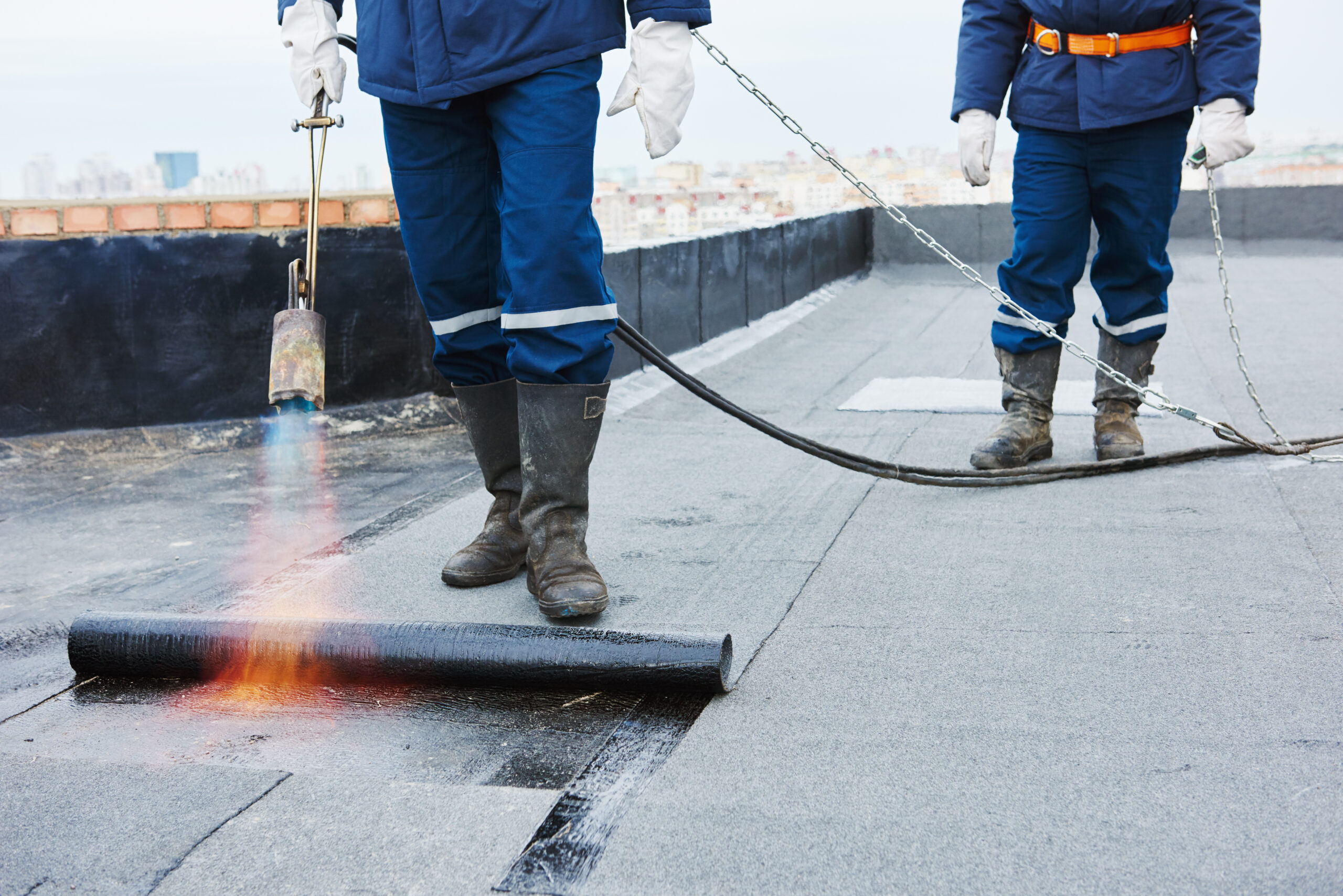
HVAC units produce a steady stream of condensation while operating. This water needs a clear path off the roof. If the system drains incorrectly or the line sits in the wrong position, the roof surface starts to break down much earlier than it should. Flat roofing systems handle occasional moisture well, but they break down much faster when they deal with repeated wetting in the same spot every day. Asphalt, coatings, membranes, foam, and underlayment all suffer the same way under constant exposure.
This issue affects homes and commercial buildings across Arizona because rooftop HVAC units are extremely common. That means condensation management becomes a key factor in roof longevity. Once the roof surface softens or blisters from excessive moisture, repair costs grow quickly, and water starts moving into the building. Understanding how condensation lines work and how they wear down roofing materials helps owners protect their roofs and catch small issues before they grow into expensive problems.
Air conditioners pull warm, humid air across cold evaporator coils. The temperature drop forces moisture in the air to condense. This water collects in the drain pan and exits through the condensation line. During peak summer heat, that line carries a surprising amount of water. If the line drains directly onto the roof instead of a proper outlet, the roof surface deals with hundreds of gallons of water every month.
In Arizona, condensation drains even when the weather feels dry. Indoor humidity, cooking, showering, and everyday habits all add enough moisture to the air to keep condensation flowing. The constant drip from the line often lands in the same spot day after day. Water that repeats the same path across a flat roof always creates problems.
Most flat roof materials are designed to repel water from occasional storms, not handle a year-round water source. Condensation creates a slow and steady stream that wears down the surface long before storms or monsoon downpours cause issues.
Flat roofs rely on uniform durability across the entire surface. The moment water starts to collect in one spot, the system loses balance. Condensation lines create this issue because they drip water in a concentrated area. Arizona heat speeds up the breakdown process and turns a small soggy patch into a long-term weakness.
Here is why condensation damages flat roofs faster than people expect:
Water softens coatings, asphalt layers, and foam surfaces. Even durable materials weaken when moisture soaks into the top layer repeatedly. The softened area loses strength and cracks as temperatures rise.
UV rays hit the roof aggressively in Arizona. Wet materials absorb heat faster and show damage sooner. Sunlight dries the water, then reheats the weakened spot, which accelerates wear.
Water carries dirt and fine debris with it. As it drips or runs across the same path each day, it grinds down the top surface. The erosion leaves a small channel that deepens with time.
Flat roofs with elastomeric or acrylic coatings start to blister or peel after repeated wetting in one location. Once the coating loses its bond, that area breaks down much faster.
Water that pools around a condensation line invites algae and mold. These organisms hold moisture against the roof, speed up surface wear, and stain the roof.
On SPF roofs, the steady stream from a line creates dents or pits in the foam. These depressions trap water, which grows the damage even faster.
The roof does not fail from one day of dripping. It fails because of months or years of repeated moisture that weakens the structure one tiny layer at a time.
The location of the HVAC unit plays a big part in how much damage the condensation line creates. Many older buildings place units in areas that do not drain well. Some units sit near dips in the roof, which allows condensation to pool. In other cases, the line points toward seams, flashing, or low spots.
These placement issues increase wear for several reasons:
Condensation that falls on seams, fasteners, or transitions breaks down the waterproof layer faster than water that lands on open areas.
Constant moisture adds weight. Even a small puddle puts pressure on old decking or sagging insulation.
Flat roofs that rely on adhesive bonds break down quickly when one spot stays wet every day.
The heat in Phoenix and Tucson makes this even worse. Wet areas dry during the day, then soften again when condensation resumes. Repetition creates a cracked, worn-out patch that needs repair long before the rest of the roof shows aging.
The easiest way to protect a flat roof from premature wear is to guide the condensation away from the surface. HVAC technicians or roofers install extensions or reroute the line so the water no longer drips directly on the roof.
Extensions fix the problem because they:
This fix seems simple, but it prevents thousands of dollars in long-term damage. Many Arizona roofs develop major soft spots solely because the condensation line stayed in the wrong place for too long.
Inspections play a key role in preventing roof damage. A trained roofer can spot early signs of moisture wear long before the average building owner notices anything wrong.
A professional looks for:
Drone inspections reveal even more detail because cameras catch shadows and textures that ground-level inspections miss. This makes early detection much easier.
The extent of the wear determines the right repair plan. Minor surface discoloration needs cleaning and coating touch-ups. Deeper damage requires more attention.
Common repair solutions include:
Fresh coating seals the surface and protects it against sunlight.
Contractors cut out damaged foam and replace it with new material.
Rubber or modified bitumen roofs get new patches in worn areas.
Roofers add crickets, tapered insulation, or drainage paths to keep water from returning to the damaged spot.
The condensation line gets rerouted so it no longer drains onto the roof.
Addressing the moisture source is the most important step. Repairing the roof without fixing the line only resets the problem.
Arizona’s climate puts roofing systems under extreme stress. Condensation lines add a hidden threat that speeds up wear on flat roofs. Most owners expect storms, wind, or heat to cause roof problems. They rarely consider that the air conditioner itself might be the source of long-term damage.
Because roofs in Phoenix and Tucson deal with high UV exposure, heavy summer cooling demand, and monsoon rain, flat roof surfaces cannot afford repeated moisture in one spot. Correcting condensation issues today prevents early leaks, structural decay, and expensive repairs tomorrow.
Why does AC condensation damage flat roofs so quickly?
The constant dripping in the same spot softens coatings and materials. Arizona heat speeds up this wear even more.
How do I know if my roof has condensation-related damage?
Blisters, soft areas, algae, stains, and thin spots near the HVAC unit usually signal condensation issues.
Can condensation wear cause roof leaks?
Yes. Water weakens the surface, creates cracks, and eventually reaches seams or underlayment.
What is the best way to stop condensation damage?
Redirecting the line to a drain or gutter stops the water from landing on the roof.
Do foam roofs suffer from condensation problems?
Yes. Foam develops pits or dents, which trap water and grow the damage faster.
Stop condensation wear before it spreads. Call Lyons Roofing at (520) 442-1121 for dependable flat roof inspections and repairs across Arizona.